
Still Learning
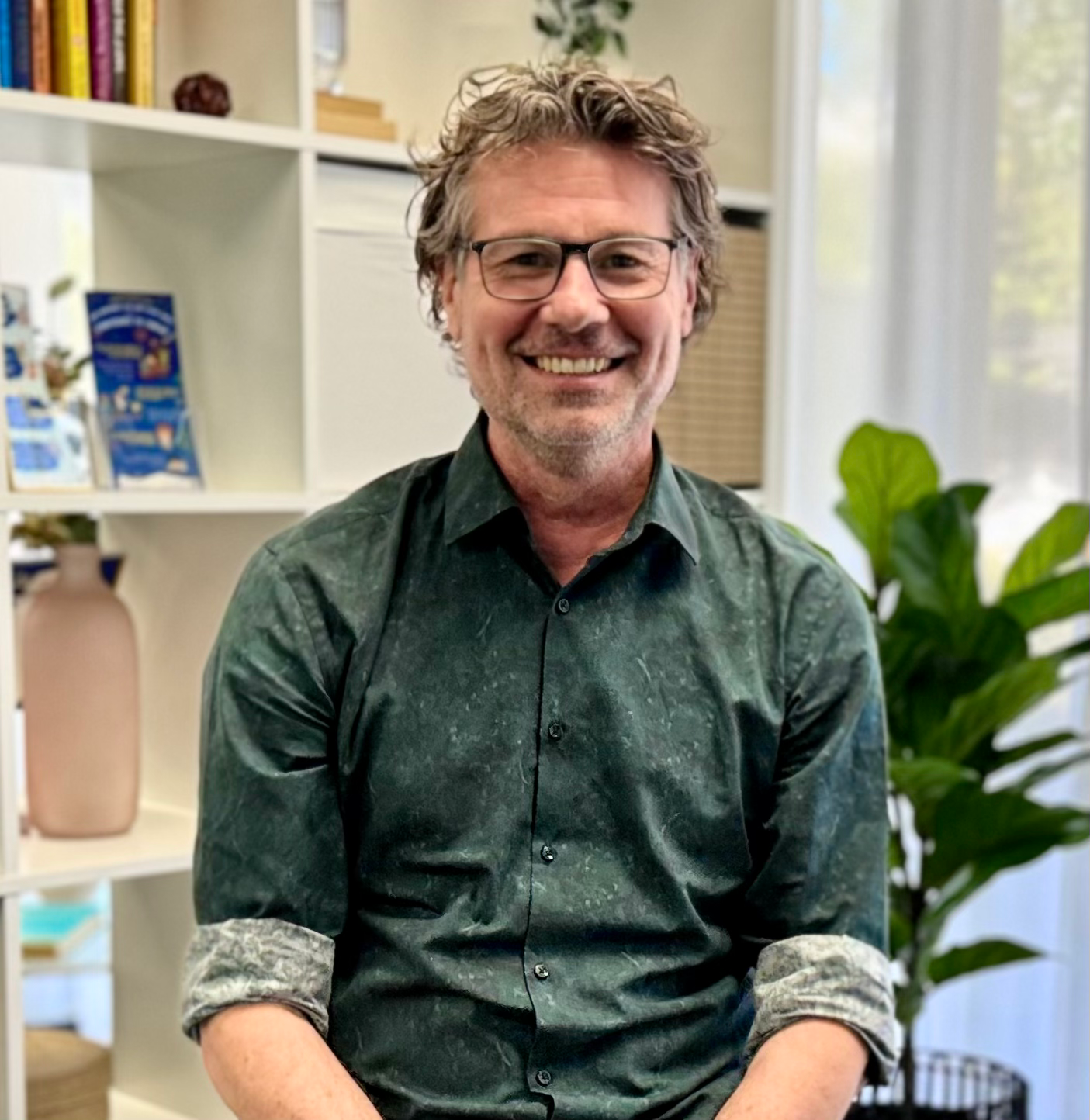

This blog is about how the life I lived before psychology has shaped the therapist I am becoming.
Before training as a psychologist I got married and raised two kids, worked in the public service for many years and travelled a fair bit. By the time I sat down to study psychology formally, I already understood a lot of it from the inside, from watching these processes play out in my own life and in the people around me. That grounding is part of what shapes how I work with clients now.
I learned what it looks like to carry responsibility for everyone around you while quietly neglecting yourself. I learned how easy it is to pour yourself entirely into a role, father, provider, the one who holds it together, and slowly forget who you are when none of those labels apply. And I learned that appearing to have everything sorted is one of the lonelier positions a person can be in, because once people believe you’re fine, they stop checking.
So, when a man sits across from me and says he’s fine, and everything in the room says otherwise, I don’t push. I recognise it. I’ve been there.
Why do some men find it so hard to ask for help? Often, it’s a learned strategy, and for a long time, it probably worked.

From early on, most boys get a consistent message, sometimes spoken, often not, that showing emotion is a liability. That needing help means weakness. That the right response to struggle is to push through and show less. By the time those boys are men, those messages aren't beliefs they're consciously holding. They've just become the default.
The problem is it comes at a cost. Relationships suffer. Self-awareness shrinks. Health follows eventually.
A lot of the men I’ve worked with since starting here don’t refuse to look inward. They genuinely don’t know how. Nobody taught them, and the world around them discouraged the attempt.

Sometimes that looks like sitting with a man who can walk you through every practical detail of his life in perfect order, job, finances, the kids’ schedules, but goes completely blank when you ask what he wants for himself. The question stops him. Sometimes he genuinely doesn’t know. I don't try to fill that blank in for him. Usually it's where the real work starts. That's part of why I lean on approaches that make room for not knowing, rather than expecting an answer straight away.
After finishing my studies, I trained further in a model called Internal Family Systems (IFS). It works with the idea that we’re all made up of different parts. The part that performs confidence. The part that’s running on empty. The part that learned, years ago, to protect you by staying shut. You get curious about those parts instead of trying to get rid of them. Why are they there? What are they protecting? What might happen if they felt safe enough to relax a little?
I notice my own parts in session too. One part of me wants to jump in and help, to offer something useful right away. Another part knows that’s about my discomfort, not the person in front of me. A third part notices when someone has gone into story mode and is no longer really talking to me. Getting to know those parts in myself makes me more useful to the people I’m sitting with.
That question, why is this part here, what is it protecting, tends to land differently than “how does that make you feel?”
IFS gives me a way to understand the parts of someone and what they're protecting. Compassionate Inquiry, developed by Dr. Gabor Maté, goes into similar territory, looking at where those parts came from in the first place, and encourages people to meet themselves with curiosity instead of judgment.

The younger men and boys I see are dealing with a genuine contradiction. The world is asking more of them emotionally, which I think is a good thing, while still sending plenty of old messages about what toughness looks like. Without someone to help them navigate that, it tends to turn inward.
Some present as checked out or difficult. Some are struggling at school or with friendships. Some have just never had a space where they could say something honest without it being used against them.

It is important to say that the pressure to cope quietly, to appear capable, to need nothing from anyone, shows up across genders, ages, and backgrounds. It looks different depending on the person, but the feeling underneath it is probably the same.
I want to be upfront about where I am. I’m a provisional psychologist, still completing my supervised hours. I bring real life experience to the work, but I’m also genuinely still learning.
Staying open to learning, sitting with uncertainty, being willing to be corrected, those things are part of what good therapy actually requires. I’m not asking anything of my clients that I’m not asking of myself.
Every week in supervision, I look at what could have gone better and think about how to bring that into the next session. It's not about getting everything right, it's about staying willing to notice when I haven't. That's the same thing I'm asking of the people I work with, not perfection, just a willingness to keep looking.
If any of this sounds familiar, whether you’re a man carrying something heavy, a parent of a teenage boy, or someone who’s just been quietly managing for longer than feels sustainable, it’s worth reaching out. You don’t need to have it figured out before you start.
Check out Peter's profile if you'd like to know more about Peter's credentials and areas of interest:
If you have any questions or would like to book some sessions with Peter, feel free to reach out to our friendly admin team:


Comments